


Understanding Boot in a 1031 Exchange: Taxable Implications
 Brian Mathieson
Published on: 02/03/2026
Understand Boot in a 1031 Exchange
1031 Exchange Planning

 Brian Mathieson
Understand Boot in a 1031 Exchange
 Brian Mathieson
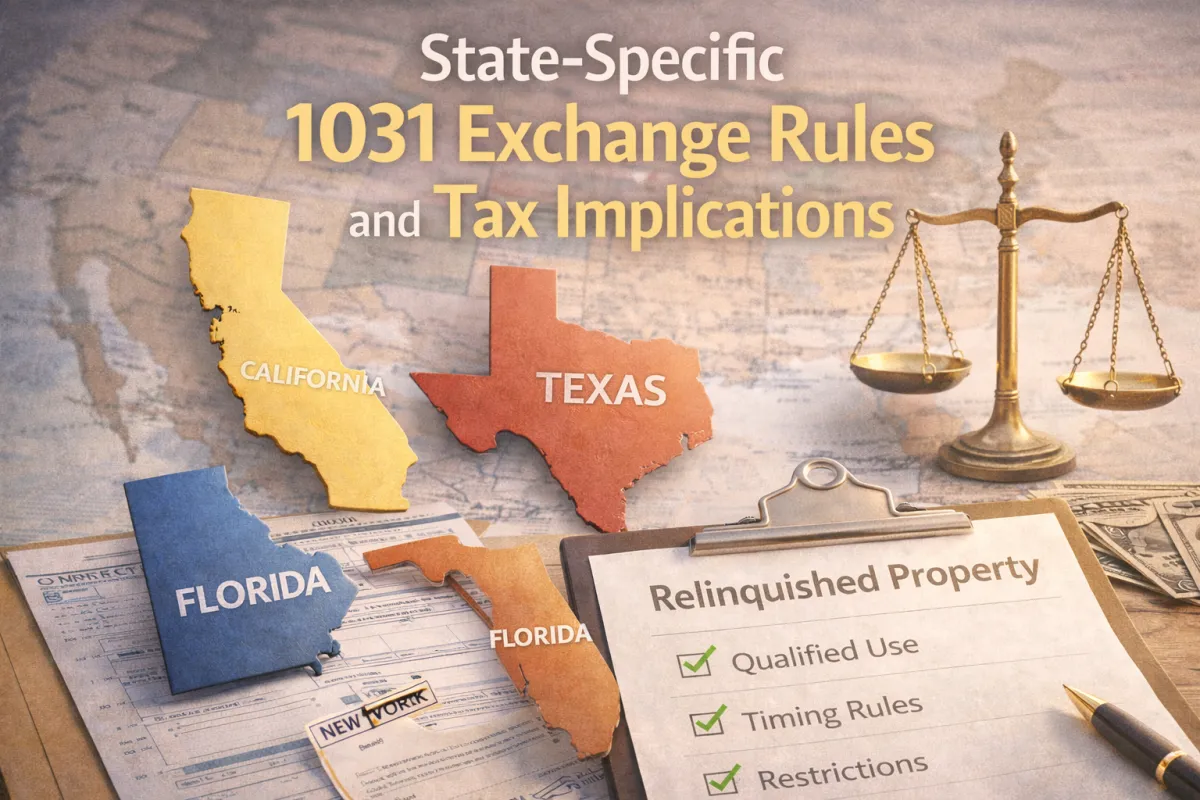
This category focuses on how 1031 exchange rules and tax treatment can vary at the state level. While Section 1031 is governed by federal tax law, individual states may conform fully, partially, or not at all—creating important differences investors must understand when exchanging property across state lines. Content in this category covers state-specific conformity rules, withholding considerations, reporting requirements, and potential tax implications that arise when selling or acquiring property in different states. All material is educational and designed to help investors recognize how state-level rules can impact planning, compliance, and long-term strategy in a 1031 exchange.
 Brian Mathieson
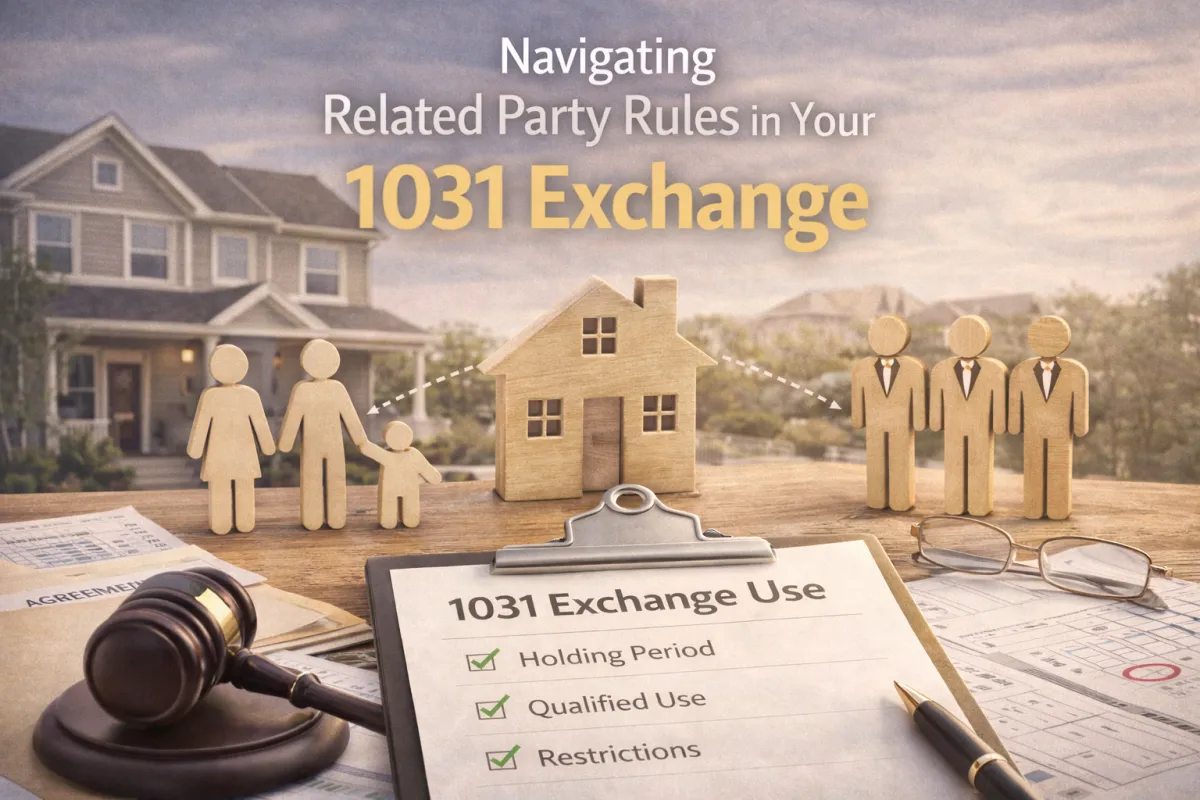
An educational overview of related party rules in a 1031 exchange, explaining how transactions involving family members or controlled entities can affect eligibility and long-term planning.
 Brian Mathieson
An educational explanation of qualified use in a 1031 exchange, including how property use affects eligibility, common misconceptions, and planning considerations for investors.
 Brian Mathieson
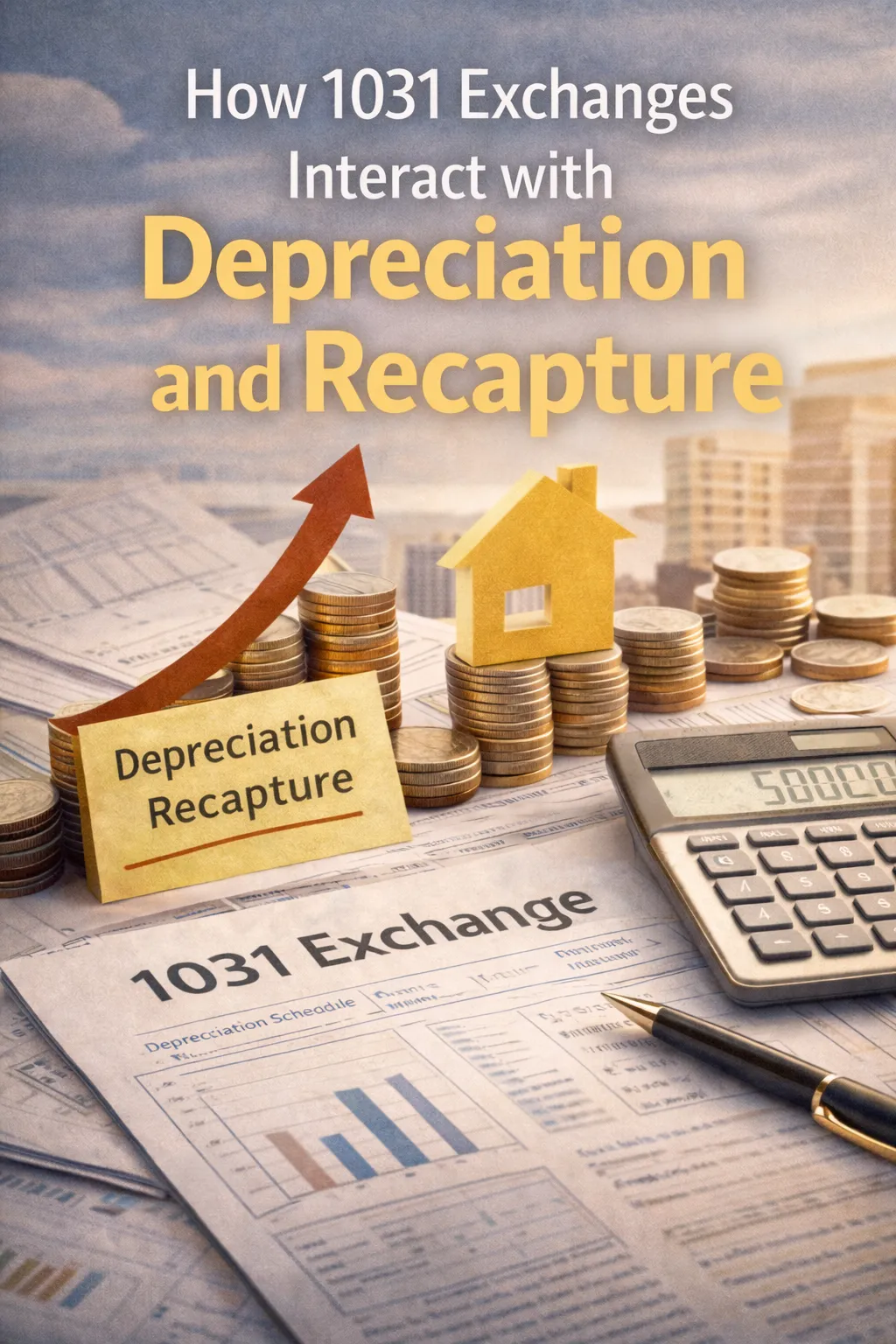
An educational explanation of how depreciation, accumulated depreciation, and depreciation recapture interact with 1031 exchanges and investor tax planning.
 Brian Mathieson
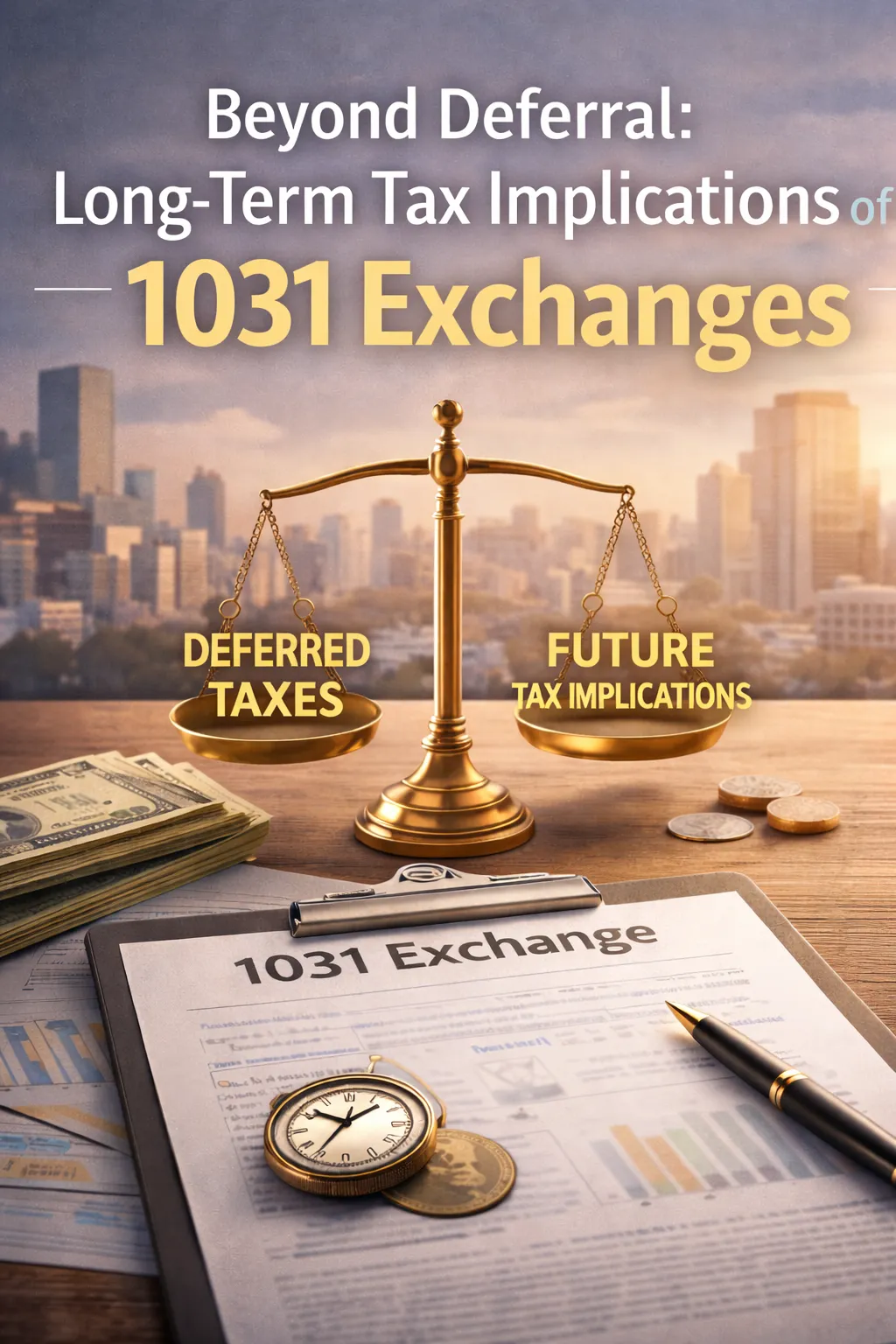
An educational overview of the long-term tax considerations associated with 1031 exchanges, including ongoing deferral, portfolio planning, and future tax exposure investors should understand.