


Education-First Services for
1031 Exchange Planning
We provide clear, practical education and strategic support to help investors and professionals navigate 1031 exchanges with confidence — before timelines and complexity take over.


Long-Term Exchange & Portfolio Planning
1031 exchanges are often part of a broader long-term strategy that includes portfolio repositioning, income planning, and legacy considerations. We help investors understand how exchanges can support long-term real estate goals through education and strategic context — without providing personalized tax or investment advice.
Our role is to help you ask better questions and prepare earlier, so planning conversations with your advisors are more effective.

Education & Decision Support
We provide education-focused resources designed to help investors better understand the structure, timing, and requirements of 1031 exchanges.
By improving clarity around rules, identification periods, and common pitfalls, we help investors participate more confidently in their exchange process while working alongside their chosen professionals.

Professional Collaboration &
Advisory Support
Successful 1031 exchanges require coordination between investors, CPAs, attorneys, and Qualified Intermediaries. We support this collaboration by providing shared educational frameworks and clear expectations that help reduce friction and misalignment across all parties involved.
Our approach is designed to complement — not replace — professional advice.
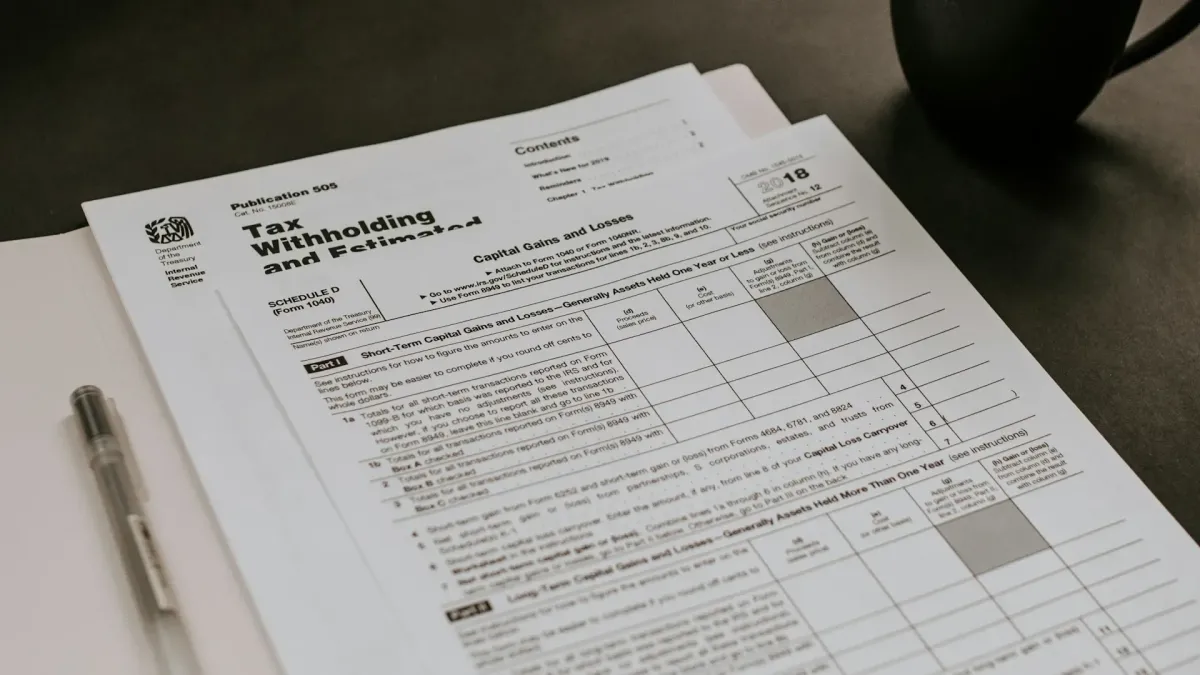
1031 Exchange Education & Tax Awareness
We help investors understand the tax-related considerations of 1031 exchanges, including deferral mechanics, timelines, and limitations, through education-focused content and discussions.
We do not provide tax advice. Instead, we help investors become better prepared to work with their CPAs and tax professionals by improving baseline understanding before decisions are made.
1031 Exchange Questions Investors Ask Most
Clear answers to help you make confident financial decisions.
What is a 1031 Exchange in real estate?
A 1031 Exchange is a tax-deferral strategy that allows real estate investors to sell an investment property and reinvest the proceeds into another qualifying property without immediately paying capital gains taxes. The goal is to keep more capital working for you by rolling gains forward instead of cashing out. This strategy is commonly used to scale portfolios or reposition assets.
Learn more in our 1031 Exchange Basics Guide
How long do I have to complet a 1031 Exchange?
A 1031 Exchange follows two strict timelines set by the IRS. You have 45 days from the sale of your property to identify potential replacement properties, and 180 days total to close on one of them. These deadlines run concurrently and cannot be extended in most cases.
Can I do a 1031 Exchange on an out-of-state property?
Yes, you can complete a 1031 Exchange using properties located in different states. The IRS only requires that both the sold and purchased properties are qualifying investment or business real estate within the United States. Many investors use 1031 Exchanges to diversify or move into more favorable markets.
What happens if I miss the 45-day identification deadline?
If you miss the 45-day identification deadline, your 1031 Exchange will fail. When that happens, the sale is treated as a taxable event, and capital gains taxes may be due. Because the deadline is strict, planning ahead is critical.
Do I need a Qualified Intermediary for a 1031 Exchange?
Yes, a Qualified Intermediary (QI) is required to complete a valid 1031 Exchange. The QI holds the sale proceeds and ensures the exchange follows IRS rules, including proper documentation and timelines. Investors cannot touch or control the funds during the process.
Get Started
Want to work with us?
Whether you’re exploring a future sale or actively planning a 1031 Exchange, the right strategy starts with understanding your options.
Educational content only. This page is not intended as tax, legal, or financial advice. Investors should consult qualified professionals regarding their specific situation.

COMPANY
SOCIALS
Copyright 2026. The 1031 Group. All Rights Reserved.